Mini twists in San Diego create a finely defined two-strand style using smaller sections, customizable parting, natural hair texture, and optional length choices for clients wanting lightweight, low-manipulation styling.

Mini twists create detail through repetition rather than added bulk. Natural hair is divided into many smaller sections, then each section is formed into a two-strand twist. The result is a lightweight, low-manipulation style whose appearance depends on section size, parting pattern, natural length, and overall density. Smaller sections create finer texture, while slightly larger sections make each twist easier to see and separate.
Natural hair mini twists can be planned around neat, small-twist finishes, scalp-accessible sections, and parting patterns that influence how the style falls. Awa Hair Braiding brings West African-trained technique, more than 20 braiders, and 24/7 availability. Founder experience also supports decisions about sectioning and twist consistency. Clients interested in mini twists with extensions can ask what options are available before booking, since extension materials are not confirmed in the supplied business information.
Clients benefit from careful sectioning, natural-hair styling options, flexible density choices, round-the-clock scheduling, and a team familiar with detailed two-strand protective styling.
Smaller twists depend on repeated section sizes, helping the finished style maintain a more orderly visual rhythm instead of appearing uneven across different areas.
The style can work with natural hair, allowing the client's own length and texture to remain central instead of requiring an extension-based finish.
Changing section size alters how many twists appear across the head, giving clients control over whether the final look feels finer or more open.
Scalp-accessible twist sections make parting an important design feature, especially when clients want neat, small-twist finishes with clearly organized spacing throughout.
Nearly two decades of founder experience and West African training contribute to the salon's approach to sectioning, two-strand twisting, and consistent natural-hair styling.
Twenty-four-hour scheduling gives clients more flexibility to arrange detailed mini twist services around work, family, military responsibilities, or other commitments outside standard salon hours.
Clients using an African hair braiding salon in National City can consider section size, parting, natural length, density, and extension preferences.
From fine, fragile hair to thick, coarse textures, the technique adjusts to what your hair needs.
The process moves from section planning into repeated two-strand formation, creating many smaller twists that collectively determine the style’s texture and density.
Decide how fine the finished twists should appear.
Create smaller sections across the planned pattern.
Wrap two strands through each section.
Review spacing across the completed mini twists.
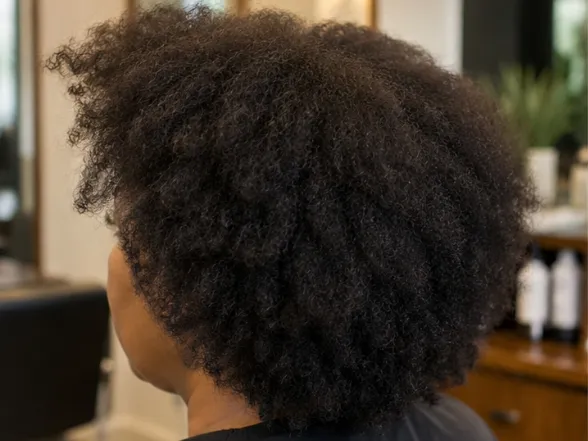
Before — natural hair, pre-appointment
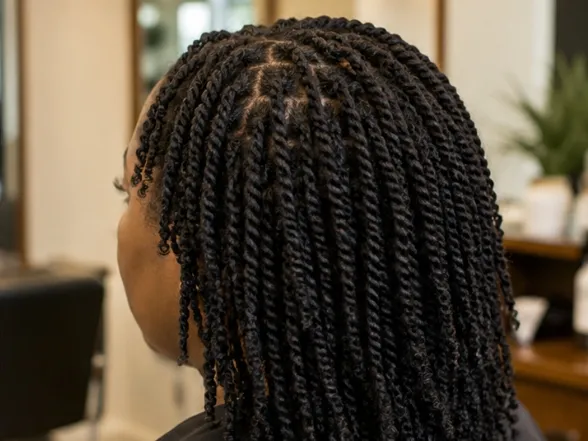
After — finished mini twists
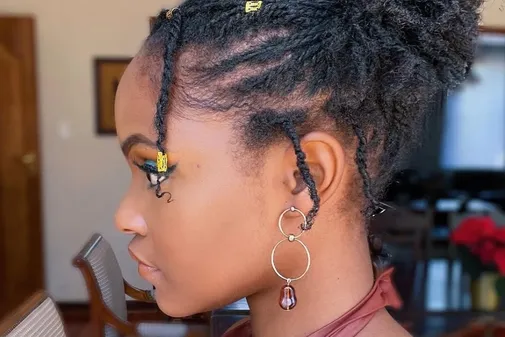
Mini twists can create subtle separation or a highly detailed texture depending on section size and density. Bring a reference image or explain whether you want a finer pattern, more visible parting, natural length, or possible extensions so the stylist can understand the scale you have in mind.
The protective hairstyle salon gallery can help clients study twist density, parting, natural length, and definition.

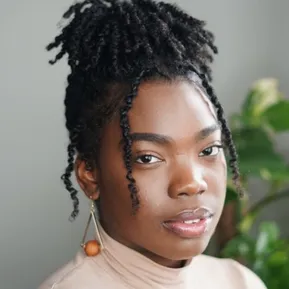

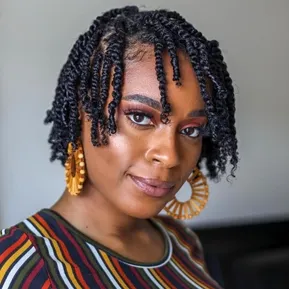
Mini twists and Senegalese twists both use a two-strand structure, but mini twists often focus on many smaller sections and can be created with natural hair. Small Senegalese twists commonly use extensions for a smoother rope-like finish and a different overall scale.
Smaller sections create more individual twists and finer visual detail across the head. Slightly larger sections reduce the number of twists and make each strand more noticeable. The best section size depends on the desired density, natural hair length, and finished look.
Extensions may be possible for clients who want added length or a different finish, but the supplied business information does not confirm which extension types are stocked or included. Clients should ask about available options and any preparation requirements before their appointment.
Parting affects how evenly mini twists are distributed and how much scalp remains visible between sections. Square, staggered, or other parting arrangements can change the finished pattern. Clients should discuss the look they prefer before the stylist begins dividing the hair.
Mini twist maintenance depends on the client’s hair, section size, and how the style is worn. Gentle handling, reasonable scalp cleanliness, and moisture appropriate for the individual’s hair may help maintain the style. Clients should request care guidance tailored to their installation.

Choose extension-based rope twists with smoother definition.

Explore how to start dreadlocks professionally.
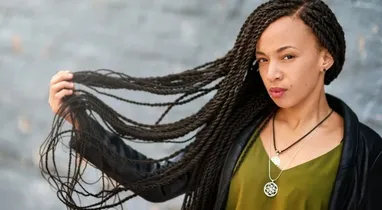
Consider mini twists with extensions when available.
Choose your section size, density, parting pattern, and preferred appointment time with Awa Hair Braiding.