A sew-in weave in San Diego appointment can add length and fullness through a braided foundation, carefully placed wefts, blending choices, and a finish planned around the client’s preferred coverage.

The biggest sew-in decision is often not extension length. It is coverage. A full sew-in weave can keep more natural hair beneath the installation, while a partial sew-in weave leaves selected sections available for styling or blending. A leave-out sew-in uses visible natural hair as part of the finished look, whereas a closure sew-in changes how the top area is completed. Each approach creates different blending, parting, and maintenance considerations.
That makes a weave consultation useful before the braided foundation is created. Clients seeking a sew-in weave in San Diego can explain where they want a part, how much natural hair they prefer visible, and whether added length or fullness is the main goal. Bundle placement, foundation design, and extension texture can then be considered around that choice. With 24/7 scheduling, Awa Hair Braiding gives clients additional flexibility when arranging a professional sew-in weave around work, family, military duties, or other commitments.
Different coverage goals require different foundations, parting decisions, and blending approaches, so the service is organized around how the client wants the finished weave to function.
A braided foundation supports the installed wefts, and its layout can be planned around the intended parting, coverage, and visible natural-hair areas.
Full, partial, leave-out, and closure approaches give clients different ways to decide how much natural hair remains visible within the finished style.
Bundle placement affects where length and fullness build, so added hair can be distributed according to the overall shape rather than installed without direction.
When natural hair remains visible, texture and placement matter because those sections need to connect visually with the installed hair around them.
The salon's African hair braiding specialists bring braid-based skill to the foundation beneath the weave, where organized sections support the installation above.
Clients can request appointments around the clock, giving those with work, family, military, or unconventional schedules more flexibility when planning a longer styling service.
Your appointment can address foundation layout, coverage choice, parting, bundle placement, blending, and the added length or fullness you want.
From fine, fragile hair to thick, coarse textures, the technique adjusts to what your hair needs.
The process establishes what stays covered or visible first, then creates the foundation and secures added hair according to that planned arrangement.
Decide full, partial, leave-out, or closure direction.
Create braids for the planned installation layout.
Place added hair across the prepared foundation.
Blend visible sections into the completed hairstyle.
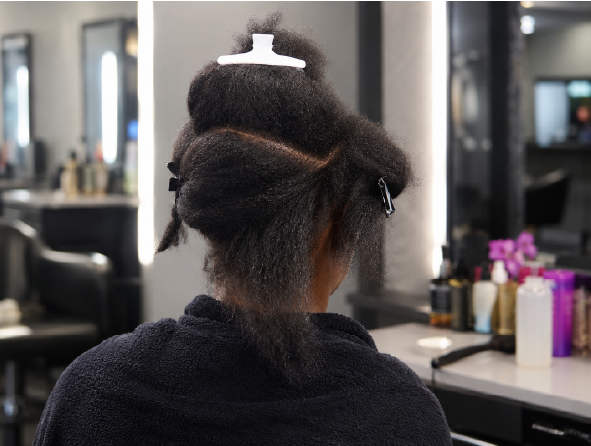
Before — natural hair, pre-appointment

After — finished sew-in weaves

Think about how you want the top, part, and natural-hair sections to appear before choosing a sew-in approach. Clients looking for braid appointments in North Park can describe their preferred coverage, added length, and fullness so the installation plan begins with the finished appearance in mind.
See finished sew-in looks to compare visible sections, parting, added length, fullness, and blended results.
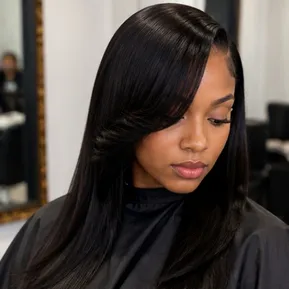


A full sew-in generally covers more natural hair beneath the installed extensions, while a partial sew-in leaves selected sections visible for blending or styling. The best approach depends on the desired part, coverage, and finish, so those details should be decided beforehand.
Leave-out keeps a selected portion of natural hair visible so it can blend with the installed extensions. It may suit clients who want a particular part or natural-looking top section. The amount and placement should be discussed before the braided foundation is created.
A closure can cover the top area without relying on the same amount of visible natural hair used in a traditional leave-out approach. Closure placement affects parting and coverage, so clients should confirm whether this option fits their preferred finish before installation.
The braided foundation determines where wefts can be secured and how the installed hair is distributed across the head. Its layout can influence coverage, parting, and fullness. Planning the foundation around the finished style helps the installation follow a clearer structure.
Clients should first confirm whether extension hair is supplied because the business brief does not state that bundles are automatically included. They should also ask what preparation is required and share their desired coverage, parting, length, and any protective hair extension preferences beforehand.
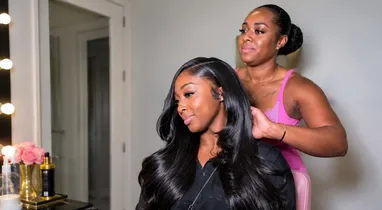
Explore broader extension options through personalized installation planning.
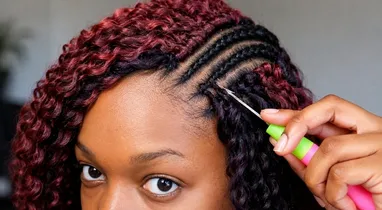
Choose texture installed over a cornrow foundation.
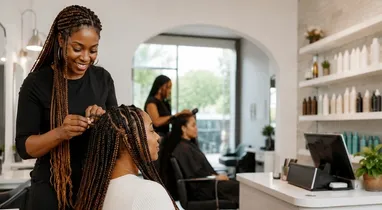
Add length through individually structured braided styles.
Discuss your coverage, parting, length, and fullness goals with Awa Hair Braiding before installation.