Starter locs in San Diego give clients a structured beginning for natural loc formation through planned sections, deliberate parting, starter-method discussions, and thoughtful early-stage care.
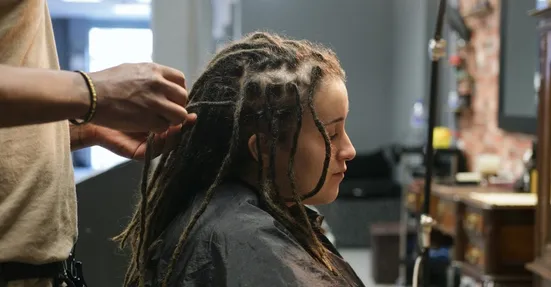
The first loc appointment creates more than a temporary hairstyle. It establishes sections that will remain relevant as new growth appears and the hair begins changing through the early locking stages. A smaller section pattern creates a different future set from broader sections, while parting determines how those locs are distributed across the scalp. Those choices deserve attention before the first starter section is formed.
Starting locs also requires patience with a look that will evolve. Early sections may not resemble mature locs immediately, and changes such as budding or shifting texture can happen gradually. Clients researching starter locs in San Diego should therefore think about the long-term set rather than judging only the first-day appearance. Questions about beginner loc installation, comb coils, two-strand starter methods, section size, and follow-up care can be discussed according to what the salon actually offers and what suits the intended loc direction.
A careful beginning gives future growth an organized reference point, helping clients understand section scale, parting, early development, and the maintenance journey ahead.
The number and size of starting sections influence how many locs form across the head, making initial scale an important long-term visual decision.
Parting creates the underlying map of the set, affecting how locs fall, where scalp remains visible, and how future maintenance follows existing sections.
Different starter methods create different early structures. Clients can ask about comb coils or two-strand approaches without assuming every method is automatically available.
Starter locs change after installation, so clients benefit from understanding that early texture, budding, and settling are parts of a process rather than flaws.
The salon's experienced braid stylists bring sectioning and textured-hair experience that supports conversations about organized starter patterns and the visual direction of a new loc set.
Round-the-clock hours make it easier to begin a loc journey around work, family, military duties, or other commitments that do not fit traditional salon schedules.
A first visit can clarify section size, parting structure, available starter methods, scalp access, and early maintenance expectations.
From fine, fragile hair to thick, coarse textures, the technique adjusts to what your hair needs.
The process establishes where each loc begins before forming the starter structure and setting expectations for what happens after the first appointment.
Decide how fine or broad sections should be.
Organize the scalp into intentional starting sections.
Create the agreed starter structure when available.
Review what clients may notice as locs develop.

Before — natural hair, pre-appointment

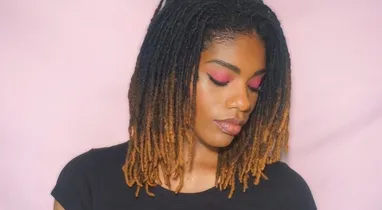
After — finished starter locs
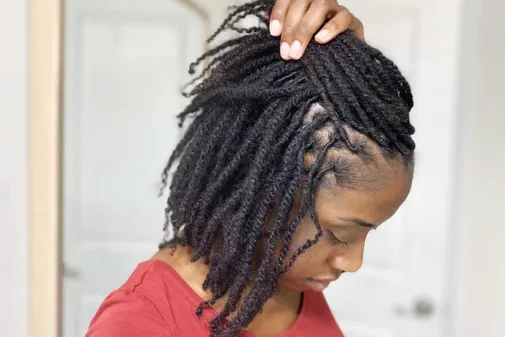
Beginning locs means choosing a framework that future maintenance will continue to work with. Awa Hair Braiding can discuss the section scale and parting direction you have in mind before installation. Clients seeking braid appointments in El Cajon can also explore other natural-hair services available through the salon.
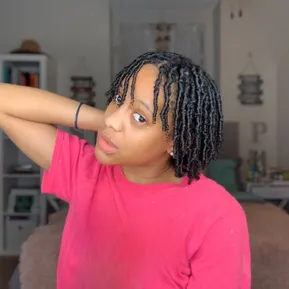
View beginning loc structures to compare section scale, parting arrangements, initial shapes, and overall distribution.

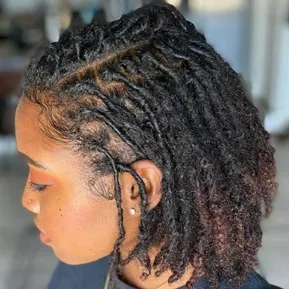
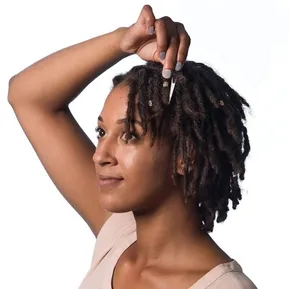
There is no universal starter loc count because section size, head shape, hair density, and the desired mature appearance can all affect the decision. Smaller sections generally create more locs, while larger sections create fewer. A consultation can help clarify the preferred scale.
Two-strand twists are one method sometimes used to begin locs, but the supplied business information does not confirm that method for every appointment. Clients interested in it should ask whether it is offered and whether their hair and desired loc pattern suit it.
Budding generally refers to areas where the hair begins forming a denser, less loose structure as the locking process develops. Timing and appearance vary by hair and starter method. Clients should expect gradual change rather than assuming newly installed starters will immediately resemble mature locs.
The transition is gradual rather than tied to one exact appointment. As the locs become more established, maintenance priorities can change from protecting starter sections to managing roots and mature structure. Clients can later discuss mature loc maintenance based on their loc development.
Styling possibilities depend on the starter method, loc stage, and how firmly the new sections are established. Clients interested in protective loc hairstyles should ask when styling is appropriate for their particular set rather than assume newly started locs should immediately be manipulated.
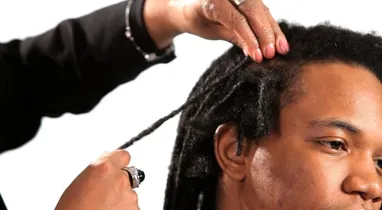
Support established sections as roots continue growing.
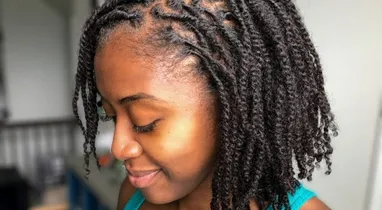
Explore styling once loc structure becomes established.
Keep developing sections organized between future visits.
Choose your section scale, parting direction, and starting expectations before beginning your loc journey.